TwinThrust
One thumb per engine.
Every landing is earned.
A 2D physics rocket lander for Android. Free to play.
One thumb per engine.
Every landing is earned.
A 2D physics rocket lander for Android. Free to play.
Most landers give you one throttle. TwinThrust gives you two. The left thumb drives the left engine, the right thumb drives the right one, and what happens next is physics.
Feather one engine to lean into a turn. Slam both to kill a freefall. Hold a hover with two uneven thumbs and you are flying the craft, not pressing a button. It takes about ten seconds to understand and a good deal longer than that to be any good at.
There is no procedural filler. All 56 levels are built by hand, each one around a single new idea, and then the next one assumes you learned it.
Fifty-six levels across four chapters. Each realm brings its own hazards, its own palette, and at least one thing the last one never asked of you.
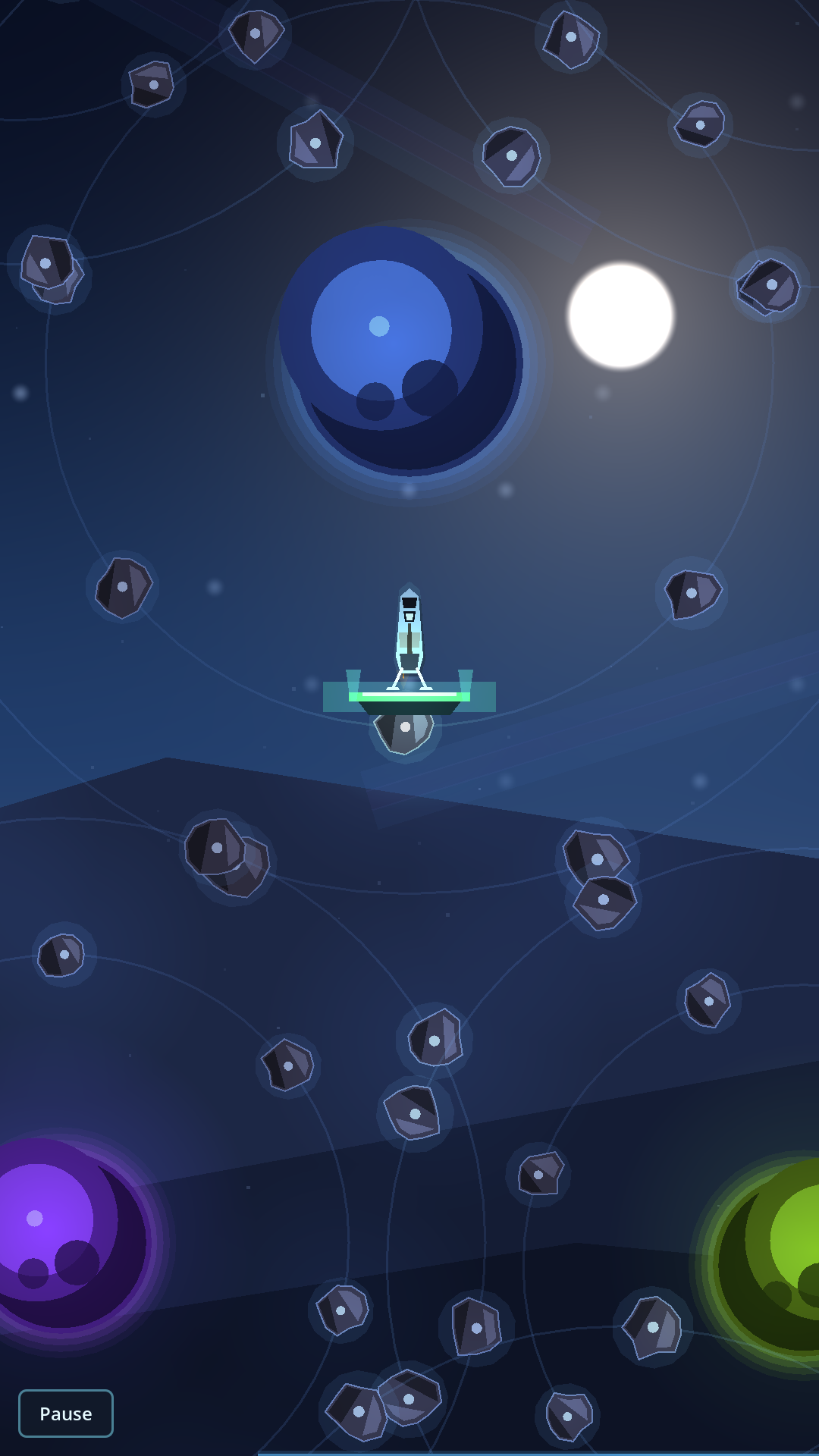
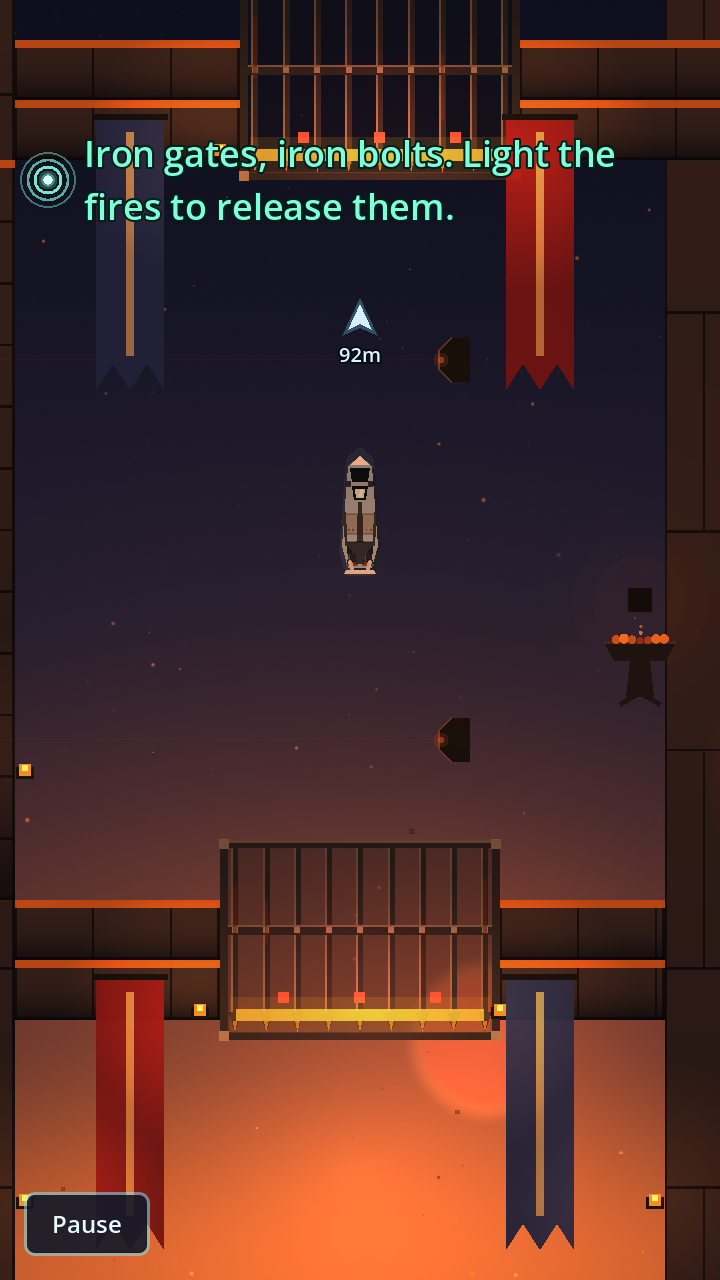
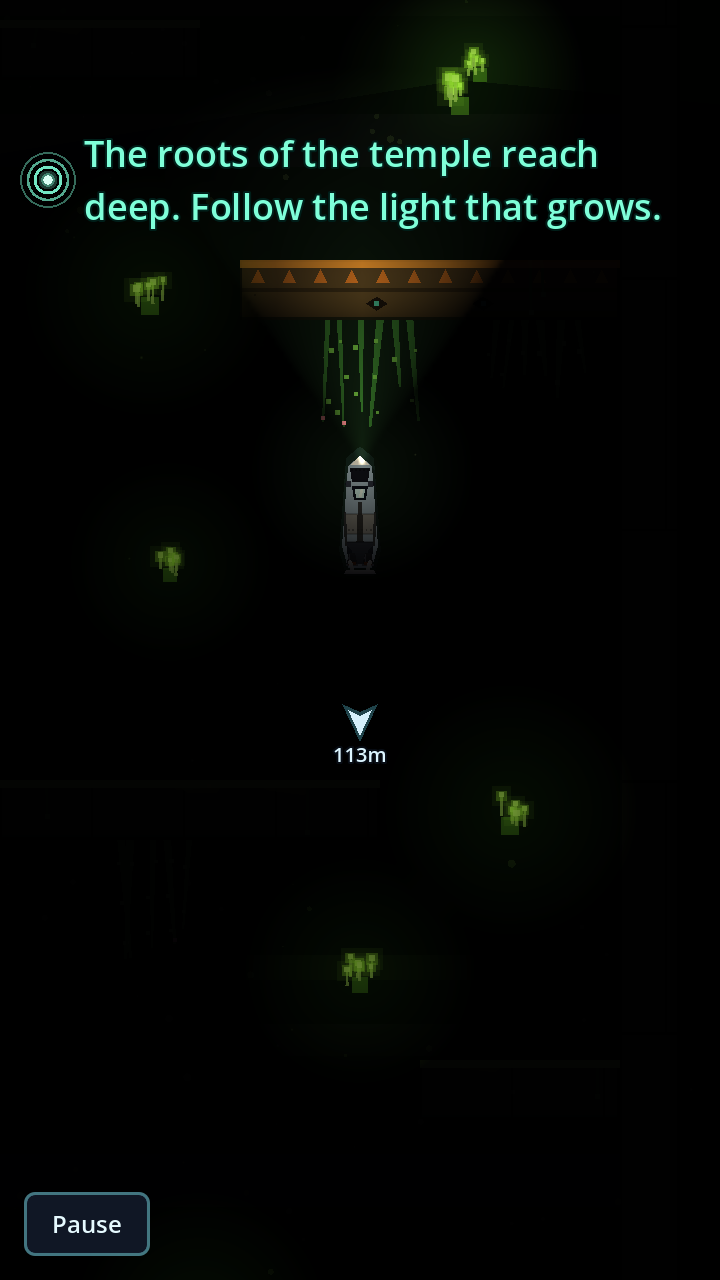
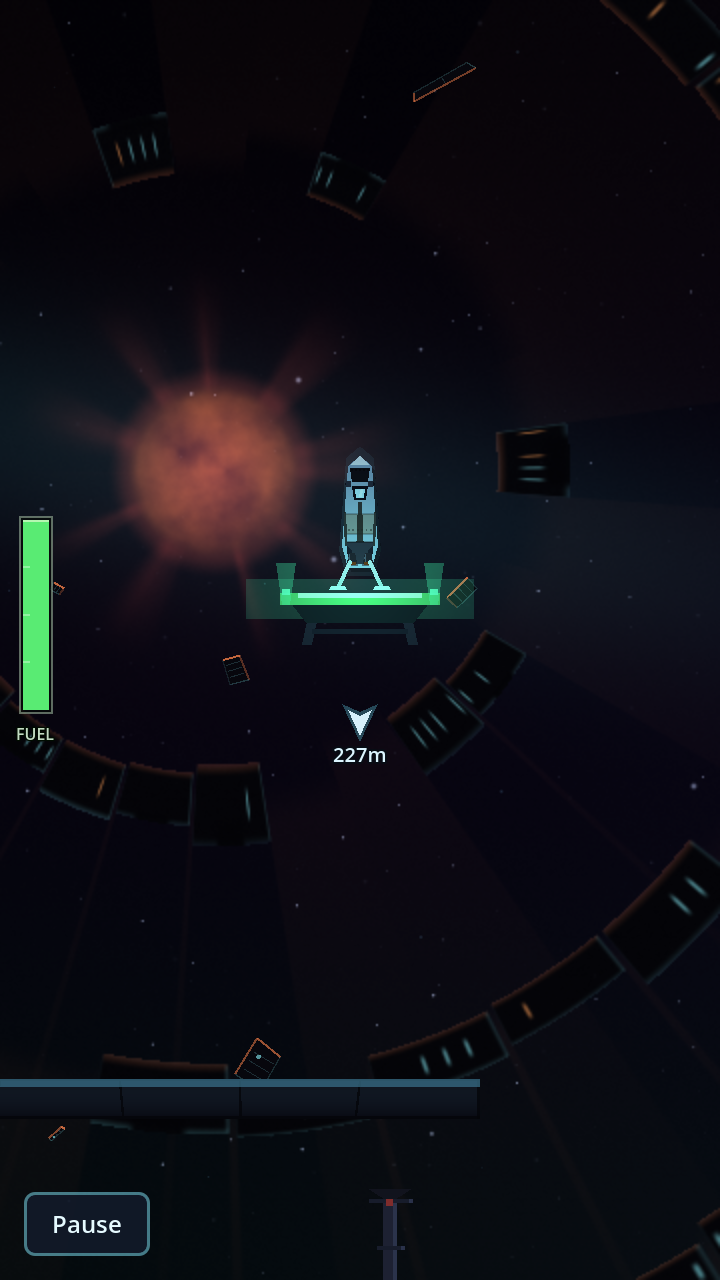
Across four chapters. Every level introduces one new idea and then asks you to use it.
Seven rocket models, twelve colour schemes and five engine flame styles. Three independent axes, so the craft is yours.
Cadet steadies the craft and slows the hazards. Wingman eases you upright. Pilot is the game as tuned. Ace tightens every margin, and unlocks when you finish.
Each level records the highest rank you have cleared it at, alongside your best time. Clear it, then go back and clear it properly.
Chapter 3 adds the one constraint the first two never had, and it does not arrive as a tutorial card.
The rain of the Verdance leaks your tank whether you are burning or not, so hovering to think costs you the same as flying. Sap pods along the route refill it, which turns every level into a question about the line you take rather than the speed you take it at.
Run dry and the craft does not drop out of the sky. It glides, and you get one last chance to fall through a pod on the way down.
One developer, and a test rig that flies the levels by itself.
Level changes are verified by booting the real game and having an autopilot fly the craft headless, which is the only reliable way to catch an invisible wall. You cannot see one by looking, and you will not find it by playing, because you unconsciously fly around it.
The devlog is where the things that went wrong get written up properly: the one-line physics bug that cost three weeks, the shader that was fine on one phone and blocky on another, and the test rig that spent a week guarding a line of dialogue that had already been deleted.
Free on Google Play. Fifty-six levels, four worlds, two thumbs.
